Case Studies: Data Visualization Transforming Organizations
07/03/2026
Integrating Reporting Systems with Existing Software
07/03/2026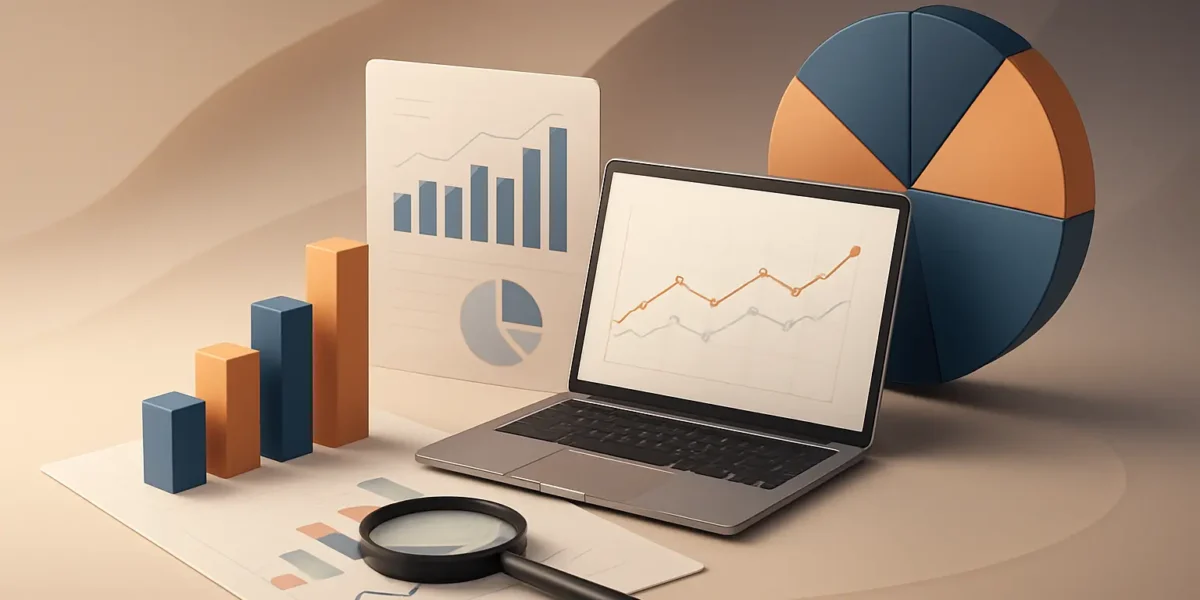
The Future of Analytics in Business Operations
The Future of Analytics in Business Operations
In today’s fast-paced business environment, analytics has emerged as a cornerstone for decision-making and operational efficiency. Organizations are increasingly relying on data to drive their strategies, improve customer experiences, and streamline operations. The future of analytics in business operations promises even greater advancements, driven by technological innovations and the growing importance of data-driven decision-making.
The Evolution of Business Analytics
Business analytics has evolved from simple reporting to complex predictive models and real-time dashboards. This evolution is largely due to advancements in technology and the increasing volume of data generated by organizations. Companies are now able to harness this data to gain insights that were previously unattainable.
Key Trends Shaping the Future of Analytics
- Artificial Intelligence (AI) and Machine Learning (ML): AI and ML are set to revolutionize analytics by enabling systems to learn from data patterns, providing deeper insights and predictive capabilities.
- Real-Time Analytics: Businesses are moving towards real-time analytics, allowing them to make informed decisions on the fly and respond quickly to market changes.
- Data Democratization: Organizations are fostering a culture where data is accessible to all employees, empowering them to make data-driven decisions.
- Enhanced Data Visualization: Advanced visualization tools are making complex data more understandable, facilitating better insights and communication.
- Cloud-Based Analytics: The shift to cloud computing allows for scalable analytics solutions that can handle large datasets and improve collaboration.
Benefits of Advanced Analytics in Business Operations
The integration of advanced analytics into business operations offers numerous benefits:
- Improved Decision-Making: Analytics provides actionable insights that help leaders make informed decisions.
- Increased Efficiency: Automating data analysis processes saves time and reduces manual errors.
- Enhanced Customer Insights: Understanding customer behavior leads to better-targeted marketing strategies and improved customer service.
- Operational Optimization: Analytics identifies inefficiencies in operations, leading to cost reductions and productivity gains.
Common Mistakes to Avoid
While implementing analytics, businesses often make several common mistakes:
- Neglecting Data Quality: Poor data quality can lead to misguided insights. Regular audits are essential.
- Underestimating User Training: Employees must be trained to use analytics tools effectively to maximize their potential.
- Focusing on the Wrong KPIs: Selecting irrelevant KPIs can skew analysis and lead to poor decision-making.
Best Practices for Implementing Analytics
To harness the power of analytics effectively, consider the following best practices:
- Define Clear Objectives: Understand what you aim to achieve with analytics to focus your efforts.
- Invest in the Right Tools: Utilize robust analytics tools that align with your specific business needs.
- Engage Stakeholders: Involve key stakeholders throughout the process to ensure buy-in and relevant insights.
- Continuously Monitor and Adapt: Regularly review analytics processes and adapt them to meet changing business goals.
Real-World Examples of Successful Analytics Implementation
Numerous organizations have successfully integrated analytics into their operations:
- Netflix: Utilizes viewing data to recommend content to users, enhancing customer retention.
- Amazon: Analyzes purchase behavior to optimize inventory and personalize marketing strategies.
- Procter & Gamble: Leverages analytics for supply chain optimization, resulting in significant cost savings.
Conclusion
The future of analytics in business operations is bright, with technology paving the way for deeper insights and more informed decision-making. By embracing AI, real-time analytics, and advanced visualization tools, organizations can enhance their operational efficiency and customer experience. Avoid common pitfalls by ensuring data quality and properly training staff to utilize analytics tools. As demonstrated by leading companies, analytics is not just a tool; it is a pathway to innovat